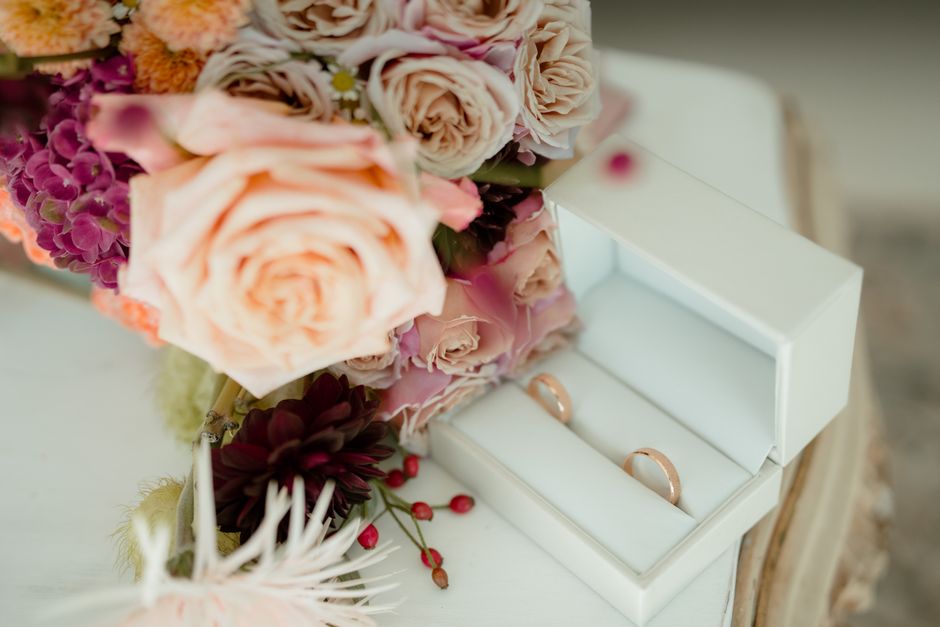
Common problems customers face with Collier Row wedding flowers
Posted on 13/10/2026
Planning a wedding in Collier Row sounds romantic right up until the flowers start becoming a puzzle. You want the bouquet to feel personal, the buttonholes to survive the day, and the ceremony flowers to arrive looking fresh, not tired and droopy after a bumpy journey. That is where the common problems customers face with Collier Row wedding flowers tend to show up: timing issues, budget surprises, colour mismatches, delivery nerves, and a few awkward last-minute changes that nobody really enjoys dealing with.
To be fair, wedding flowers are one of those details that can look simple from the outside and then become surprisingly fiddly once you start asking real questions. What blooms will be in season? How do you keep bouquets cool in summer? What if the venue has tight access? This guide breaks down the most common issues people run into, why they matter, and how to avoid the usual stress without overcomplicating the whole thing.
Table of Contents
- Why these wedding flower problems matter
- How wedding flower orders usually work
- Key benefits of planning properly
- Who this is for and when it makes sense
- Step-by-step guidance
- Expert tips for better results
- Common mistakes to avoid
- Tools, resources and recommendations
- Law, compliance, standards, or best practice
- Options, methods, or comparison table
- Case study or real-world example
- Practical checklist
- Conclusion
- Frequently asked questions
Why Common problems customers face with Collier Row wedding flowers Matters
Wedding flowers are not just decorative extras. They set the tone when people arrive, they show up in photographs, and they quietly hold together the look of the whole day. If something is off - the shade is wrong, the bouquet size feels awkward, or the flowers arrive later than expected - it is usually noticeable immediately.
For couples in Collier Row, the local reality matters too. Journeys across east and north-east London can be straightforward one minute and slightly annoying the next, especially around school runs, traffic build-up, or a venue with awkward loading access. That does not mean flower delivery is difficult; it means the planning has to be a bit sharper.
Most of the problems customers face are not dramatic on their own. They are small issues that stack up: one colour not matching, one delivery window too narrow, one lack of clarity about what is included. And then suddenly the whole experience feels more stressful than it should. Nobody wants to be standing in a wedding morning kitchen, hearing wrapping paper rustle and wondering if the bridesmaid bouquets are the right size. That sort of thing.
Expert summary: the biggest wedding flower problems are usually not about flowers themselves, but about expectations, timing, communication, and venue logistics. Get those right, and everything else becomes much calmer.
How Common problems customers face with Collier Row wedding flowers Works
Understanding how wedding flower orders work helps explain where the friction happens. Usually, the process begins with a brief: the couple shares dates, colours, venue details, preferred flowers, and the overall feel they want. From there, the florist suggests designs, seasonal alternatives, and practical timing for preparation and delivery.
That sounds simple. In practice, problems often appear at each handover point.
1. The brief is too vague
If a customer says "something elegant and romantic" without more detail, the florist has to interpret that. Elegant can mean white roses and lilies to one person, but soft blush tones and loose greenery to another. Vagueness is where disappointment begins.
2. The chosen flowers may not be ideal for the date
Some blooms are more reliable at certain times of year. If a customer asks for a delicate flower that is out of season, the florist may need to substitute it. That is normal, but only if it has been discussed clearly.
3. Delivery and setup details are easily underestimated
A bouquet is one thing. Table arrangements, buttonholes, ceremony displays, and venue dressing are another. Each item has its own timing and handling needs, and they do not always travel well together unless the plan is clear.
4. The venue may have practical constraints
Some venues in and around Collier Row have limited access, strict arrival windows, or areas where flowers need to be moved carefully because of heat, light, or space. A good florist will want to know this early, not on the day when everyone is already dressed and nervous.
Basically, the order works best when the customer and florist are solving the same problem together, not assuming things are understood in the same way. That sounds obvious, but you would be surprised how often it is missed.
Key Benefits and Practical Advantages
When wedding flowers are planned properly, the benefits go far beyond prettier tables. You get peace of mind, better value, and fewer unpleasant surprises. And yes, the wedding photos benefit too.
- Clearer budgeting: you know where the money is going and what each part of the design includes.
- Better matching: flowers, ribbons, dresses, suits, and venue decor work together instead of feeling slightly disconnected.
- Less waste: you avoid over-ordering items that do not add much value on the day.
- More reliable timing: bouquets, buttonholes, and table flowers arrive when they should.
- Fewer substitutions: if seasonal choices are discussed early, there are fewer awkward surprises.
- Stronger photos: cohesive floral styling makes a real difference in images, especially close-ups.
There is also a quieter benefit that people sometimes overlook: confidence. When the flowers are sorted, one major part of the day just feels handled. You can breathe a bit easier. Simple as that.
Who This Is For and When It Makes Sense
This topic matters most if you are:
- planning a wedding in Collier Row or nearby
- booking flowers for a church ceremony, registry-style venue, hotel, or private function space
- working to a fixed budget and need to avoid overspend
- worried about delivery timing or last-mile handling
- comparing styles, from classic rose arrangements to modern mixed designs
- choosing between bridal bouquets, bridesmaid bouquets, buttonholes, and table flowers
It also makes sense if you are the person in the family who ends up managing everything. You know the role. One minute you are choosing flowers, the next you are answering six messages, checking the seating plan, and trying to remember whether the best man's buttonhole needs a pin or a magnet. Weddings have a way of doing that.
If your wedding is still months away, this is the right time to think about the common problems customers face with Collier Row wedding flowers. If your date is close, it becomes even more useful because the riskiest issues tend to show up when decisions are rushed.
Step-by-Step Guidance
Here is a practical way to reduce floral stress and make the ordering process smoother.
Step 1: Start with the full picture
Write down the wedding date, venue name, ceremony time, colour palette, dress style, and any flowers you definitely want or definitely do not want. A florist can work with partial information, but the better the starting point, the better the result.
Step 2: Decide what matters most
Not every floral element needs the same budget. For some couples, the bridal bouquet is the priority. For others, the ceremony flowers or tables take centre stage. Decide what matters most before you start comparing options. Otherwise everything becomes "a little bit important," which is charming but not terribly useful.
Step 3: Ask about seasonal alternatives
If you have a favourite bloom, ask what a sensible backup would be if it is unavailable. This is especially important for wedding flowers because timing is less flexible than with everyday bouquets. A good florist should explain substitutions plainly, not hide them in tiny print.
Step 4: Confirm sizes and counts
"Small," "medium," and "large" can mean wildly different things depending on the florist. Ask for specifics: bouquet diameter, table arrangement height, number of buttonholes, number of bridesmaid bouquets, and how many tables will actually need flowers.
Step 5: Check delivery and setup logistics
Confirm where the florist can park, which entrance they should use, who will receive the flowers, and whether items need to be placed at the venue or simply handed over. If the venue has stairs, narrow corridors, or a strict unloading window, say so early. Don't leave it until the morning; that is how little frustrations become big ones.
Step 6: Reconfirm close to the date
A quick check a few days before the wedding can prevent misunderstandings. That is the moment to verify delivery time, contact numbers, and any final changes. Small admin task. Big relief.
Expert Tips for Better Results
In our experience, the couples who feel happiest with their flowers are usually the ones who are specific, calm, and realistic. Not fussy. Specific.
Be honest about your budget
Florists can do much more with a clear budget than with a vague wish to "keep it reasonable." If you are trying to stay within a certain range, say so. It helps with flower choice, scale, and whether a more compact design would actually look better than trying to stretch too far.
Choose one visual anchor
Instead of trying to match five different inspiration photos, pick one or two clear references. Maybe you love a garden-style bridal bouquet but prefer simpler table flowers. That is much easier to execute than a scrapbook of mixed ideas.
Think about the whole day, not just the ceremony
Flowers may need to travel from getting-ready location to ceremony to reception. If something is meant to be reused later, ask whether it can handle that journey. Some arrangements are meant to sit still and look beautiful. Others need to be a bit tougher.
Plan for weather, even in an ordinary British way
A bright wedding morning can still turn warm by midday, or damp, or breezy. In one case, a bouquet can be fine in the car and then suddenly less happy while everyone is taking photos outside. Nothing dramatic - just enough to matter. Ask your florist what flowers are better for warmth if your date is in spring or summer.
Ask what happens if a stem is unavailable
This is a small question that prevents a lot of stress. A sensible florist will have a substitution policy and should explain how they maintain the overall style if one flower is not available. It is not about perfection; it is about keeping the look consistent.
And yes, sometimes the best tip is simply to keep things a touch simpler than your first instinct. Weddings tend to reward clarity. Fancy is lovely, but clear is better.
Common Mistakes to Avoid
Most wedding flower problems are preventable. Here are the ones that come up again and again.
- Booking too late: the best dates can get busy, especially if you want something specific.
- Not sharing venue details: stairs, access points, and delivery timings matter more than people expect.
- Assuming photos equal exact replicas: lighting, season, and flower availability all affect the outcome.
- Ignoring the budget split: overspending on one bouquet can leave the tables underdressed.
- Forgetting who carries what: bridesmaids, page boys, and groomsmen all need the right pieces at the right moment.
- Changing the brief repeatedly: a few tweaks are normal, but constant changes can create avoidable errors.
- Overlooking storage on the day: flowers need a cool, safe place before use, especially if there is a long gap between delivery and ceremony.
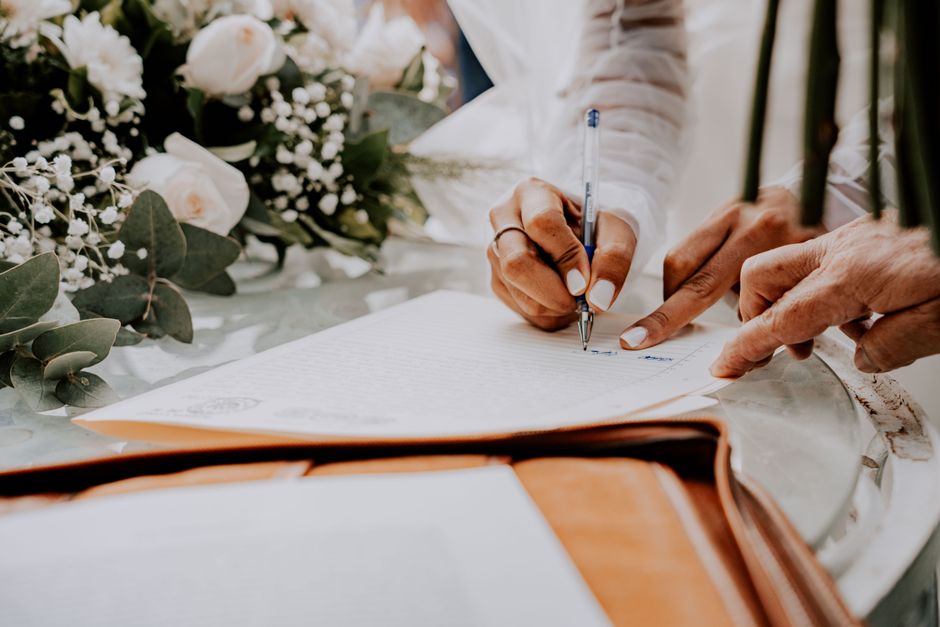
A tiny planning slip can make itself known right when the registrar arrives or the photographer starts calling everyone into place. Not ideal. The good news is that most of this is easy to fix if you notice it early enough.
Tools, Resources and Recommendations
You do not need a complicated toolkit to plan wedding flowers well. A few simple resources go a long way.
What helps most
- Clear mood board: one page of colours, textures, and bouquet shapes.
- Venue plan: even a rough sketch is useful for table arrangements and ceremony placement.
- Guest count: helps with table flowers, buttonholes, and any extras.
- Timeline: ceremony time, photographer arrival, and reception changeover all affect delivery timing.
- Notes on allergens or sensitivities: useful if anyone is sensitive to scent or pollen.
Helpful product categories to compare
If you are browsing the site, it can help to look at a few focused ranges rather than everything at once. For example, the bridal bouquet range, bridesmaid bouquets, buttonholes, and table arrangements show how the main pieces fit together without overcomplicating the search.
If you want to see broader wedding options in one place, the weddings collection is a useful starting point. And if you are still comparing styles, the general wedding flowers in Collier Row page can help narrow down what feels right for your day.
Sometimes people also benefit from checking broader ordering details, especially if they are juggling delivery, payment, or aftercare. The delivery information, payment details, and flower care guidance can all be surprisingly helpful when you are trying to keep things tidy and predictable.
Law, Compliance, Standards, or Best Practice
Wedding flowers are not heavily regulated in the same way some services are, but best practice still matters. The main issues are customer fairness, accurate descriptions, clear pricing, and sensible handling of fresh products.
In plain English, that means a florist should be clear about what is included, what may change because of seasonality, and how delivery or replacement issues are handled. Customers should not be left guessing whether a bouquet shown in a photo includes extras, premium stems, or just a style reference. That sort of confusion causes disappointment fast.
Fresh flowers are also delicate goods, so careful transport, correct storage, and prompt delivery are part of good practice. If you are planning for a venue in Collier Row, it is worth confirming that timings match the venue's access rules and that flowers can be handed over to the right person without delay.
If you need to review the business terms around orders, it is sensible to check the terms and conditions and returns and refund information. That is not the most exciting part of wedding planning, obviously, but it can stop awkward conversations later.
For many couples, the best practice rule is simple: get important details in writing, even if the conversation starts over the phone. It keeps everyone aligned.
Options, Methods, or Comparison Table
One of the biggest decisions is how to approach your floral order. Do you want a fully bespoke design, a curated range, or a more flexible florist-choice style? Each has strengths, and each comes with its own risk level.
| Approach | Best for | Potential downside | Practical note |
|---|---|---|---|
| Bespoke wedding flowers | Couples wanting exact colours, flower types, and a tailored look | More decisions, more coordination | Best when you have clear ideas and enough lead time |
| Collection-based ordering | Those who want a polished look with less planning pressure | Less flexibility on tiny details | Useful if you want cohesion without starting from scratch |
| Florist-choice arrangements | Budget-aware couples or anyone open to seasonal design | Less control over exact blooms | Often works well if you trust the florist's style |
| Mix-and-match ordering | People combining bridal, bridesmaid, buttonhole, and table items from different ranges | Can look disjointed if colours are not coordinated | Needs careful matching across items |
For couples who want a cleaner route, pre-designed collections can reduce the chance of mismatch. For example, the I Cherish You wedding collection, White Wonders wedding collection, and True Happiness wedding collection give you a clearer visual language from the start.
If you are after something softer or more classic, collections such as Pure Romance and Royal Essence can be a sensible place to begin. They are useful when you want a cohesive feel without spending hours comparing every petal. Honestly, who has time for that?
Case Study or Real-World Example
Here is a realistic example of how the common problems show up and how they can be handled.
A couple planning a spring wedding in Collier Row wanted a pale, romantic look with a bridal bouquet, two bridesmaid bouquets, six buttonholes, and flowers for the reception tables. They had a clear style in mind, but at first they only shared a few reference images and a rough budget. The result? They liked the idea, but the size, colour depth, and delivery timing were still a bit fuzzy.
Once they listed the actual venue, ceremony time, and table count, the order became much easier to shape. The florist suggested a balanced set of items from the same visual family so the bridal bouquet did not feel oversized next to the bridesmaids' flowers. The delivery window was tightened to match the venue access, and the couple asked about a backup flower in case one of the preferred stems was unavailable.
What changed most was not the budget itself. It was the clarity. The final result looked calm and coherent because the plan had been specific enough to avoid guesswork. That is the pattern, really. The more detail the florist has, the fewer little shocks there are on the day.
Practical Checklist
Use this before confirming your order.
- Have I confirmed the wedding date and ceremony time?
- Have I shared the venue name, access details, and contact person?
- Do I know which flowers are essential and which are optional?
- Have I confirmed the budget range?
- Have I checked whether my favourite flowers are in season?
- Do I know how substitutions are handled?
- Have I counted buttonholes, bouquets, and table arrangements properly?
- Is there somewhere cool and safe for the flowers before use?
- Have I checked delivery timing and who will receive the order?
- Have I reviewed the terms, refund policy, and payment details?
- Do the flower colours work with dresses, suits, and venue decor?
Quick takeaway: if you can answer these questions confidently, you are already ahead of most of the avoidable wedding flower problems people run into.
Conclusion
The common problems customers face with Collier Row wedding flowers are usually practical rather than dramatic. They come from vague briefs, timing pressure, seasonal changes, venue logistics, and not knowing exactly how the order will be handled. Once you understand those pressure points, the whole process becomes much easier to manage.
Think of it like this: good wedding flowers are less about chasing perfection and more about making a series of sensible choices that fit the day. Keep the brief clear, ask about substitutions, confirm delivery details, and choose a style that suits the venue as well as the photos. That is how you get lovely flowers without unnecessary stress.
If you are still narrowing down your ideas, take a calm pass through the options and focus on the details that really matter to you. The right flowers should make your day feel more like yours, not more complicated. And that is a pretty good feeling, truth be told.
Get a free quote today and see how much you can save.
Frequently Asked Questions
What are the most common problems customers face with Collier Row wedding flowers?
The most common issues are late ordering, unclear briefs, seasonal substitutions, budget overruns, and delivery timing problems. Venue access can also cause issues if it is not discussed early.
How far in advance should I book wedding flowers in Collier Row?
The earlier the better, especially if you want a specific flower choice or a coordinated set of bouquet, buttonholes, and table flowers. Booking early gives you more flexibility and reduces the risk of last-minute substitutions.
Why do wedding flower prices change so much?
Price usually depends on flower type, season, stem count, design complexity, and whether the arrangement is bespoke or part of a collection. Delivery and setup needs can also affect the total.
Can I request exact flowers for my wedding bouquet?
You can ask for exact flowers, but availability depends on season and supply. A good florist will tell you whether the request is realistic and offer a suitable alternative if needed.
What if the flowers I want are out of season?
Then the florist will usually suggest a replacement that keeps the same shape, colour tone, or feel. It is better to discuss this early than leave it to the week of the wedding.
How do I make sure the bouquet matches the venue?
Share photos or a description of the venue, along with your dress colours and overall theme. That helps the florist build something that feels right in the room, not just in isolation.
Are collection-based wedding flowers a good idea?
Yes, if you want a polished look with less planning pressure. They are often a good middle ground between bespoke design and simple ready-made ordering.
What should I check before delivery?
Confirm the time, delivery address, access instructions, and who will receive the flowers. It is also wise to check whether there is a safe place to keep them cool before the ceremony.
How can I avoid wedding flower disappointment?
Be specific about your brief, set a realistic budget, ask about substitutions, and make sure the florist has venue and timing details. Clear communication is the biggest difference-maker.
Do I need to review terms and refunds for wedding flowers?
Yes, because wedding flowers are time-sensitive and often prepared to order. Checking the terms and refund policy helps you understand what happens if plans change or a delivery issue arises.
What is the safest approach if I do not know much about flowers?
Choose a florist-led collection or ask for florist-choice arrangements based on your colour palette. That way, you still get a professional result without needing to know every flower name.
Can one florist handle bouquets, buttonholes, and table flowers together?
Absolutely, and it often makes the overall look more cohesive. Just make sure the order includes all the pieces you need, with quantities confirmed in writing.